
Lead Image © nattapol sritongcom, 123RF.com
Cloud-native application bundles for easy container deployment
Packages in the Cloud
In 2018, Docker and Microsoft noticed the lack of a generic package standard for containers and set out to address the problem. The result was cloud-native application bundles (CNABs), which "… facilitate the bundling, installing, and managing of container-native apps and their coupled services" [1] (Figure 1). The "approved deliverable" version 1.0 was made publicly available under the terms of the Open Web Foundation 1.0 license in September 2019. I take a close look at the CNAB standard to see what it does and does not define and how administrators and developers can benefit.
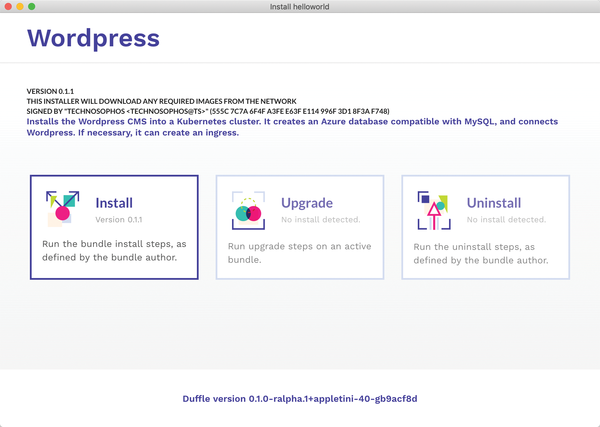 Figure 1: Cloud-native application bundles define a format for packetizing container applications and standardizing the roll-out.
A New Ecosystem
In the typical manner for new technology, a standard toolset can take a while to crystallize. Even containers are not immune to this effect. In the initial phase, Docker was the undisputed king of the hill, single-handedly guiding containers out of the shadows and making them presentable. (See the "Container Advantages" box.)
...

Buy this article as PDF
(incl. VAT)
Buy ADMIN Magazine
Related content
-
Test your containers with the Docker Desktop one-node cluster
 The built-in single-node Kubernetes cluster included with Docker Desktop is a handy tool for testing your container.
 - Docker 2.0 Announced
-
Strengths and Weaknesses of Docker Swarm and Kubernetes
 Docker Swarm and Kubernetes both orchestrate container clusters, manage workloads, improve reliability, and automate the operation of distributed applications, but they are based on different architectures. We compare the two platforms, highlighting their benefits and downsides.
 -
Build and host Docker images
 When facing the challenge of packaging your application in a container, take into account your needs in terms of handling and security and investigate sensible options for hosting your own registry.
 -
Five Kubernetes alternatives
 Many admins consider Kubernetes the obvious choice for managing containers; however, don't ignore the highly efficient alternatives just because they are less prominent.